


If you’re a master’s student with too many thesis ideas, let me say this clearly:
you’re not failing, you’re overloaded.
One day you’re excited because you have options.
The next day, you’re frozen because everything feels important, risky, and permanent.
This article is for you if:
- You have several good ideas but can’t choose one
- You’re scared of picking the “wrong” topic
- You keep going in circles instead of making progress
By the end of this guide, you’ll have a clear framework to narrow your thesis topic. One that fits your time, energy, and real life.
Why Having Too Many Ideas Is Actually a Good Sign

Let’s flip the script for a second.
Having many ideas usually means:
- You understand your field
- You’re curious and engaged
- You’re thinking critically
The problem isn’t your intelligence or creativity.
The problem is that no one taught you how to filter ideas.
Clarity doesn’t come from thinking harder. It comes from deciding better.
And that’s where a framework helps.
Why Most Students Get Stuck at This Stage
Before we jump into the solution, let’s name what’s really happening.
1. You’re Afraid of Choosing the “Wrong” Topic
You worry:
- What if I regret it?
- What if it’s too hard?
- What if my supervisor hates it?
So you delay the decision, thinking more will help. It usually doesn’t.
2. You Feel Pressure to Impress
You want your topic to sound:
- Smart
- Original
- Impressive
But impressiveness does not equal finishability.
3. You’re Overthinking Originality
Many students believe their topic must be completely new.
According to guides like Scribbr’s research topic advice, originality at the master’s level often means:
- A new context
- A new population
- A new angle
Not reinventing the wheel.
The Simple 5-Step Framework to Narrow Your Thesis Topic
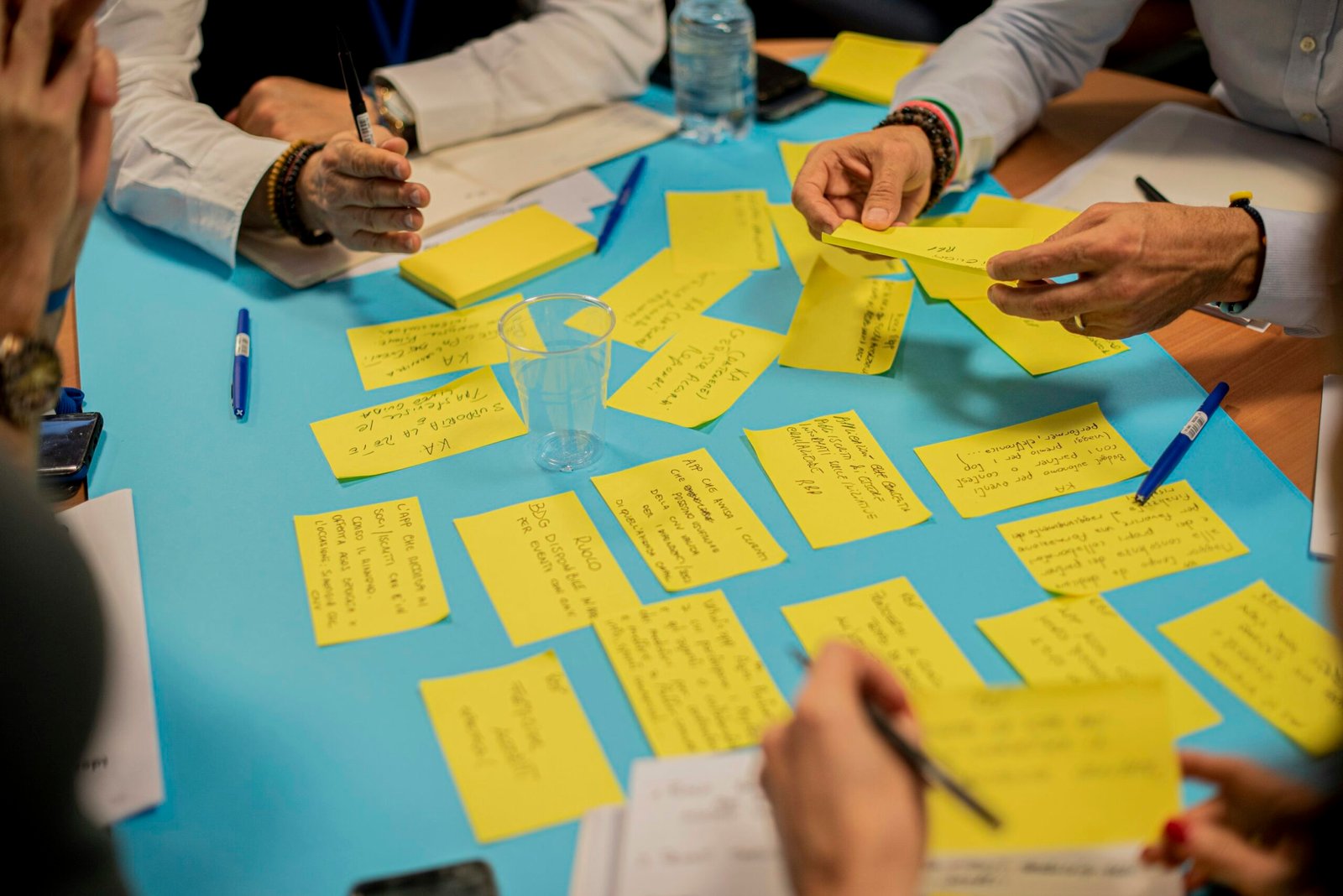
This is the framework to narrow your thesis topic that most universities never spell out clearly.
Use it exactly in this order.
Step 1: Group Your Ideas Into Themes
Start by listing all your ideas, even the messy ones.
Then group them into themes.
Example:
If your ideas include:
- Social media marketing
- Influencer culture
- Online small businesses
They all belong under Digital Marketing.
This step reduces overwhelm immediately.
Step 2: Eliminate What You Can’t Finish (Feasibility Filter)
Now get brutally honest.
Ask these questions for each theme:
- Can I access data easily?
- Can this be done within my timeline?
- Do I have the skills (or time to learn them)?
- Does this require money I don’t have?
A topic you can’t execute is not a good topic—no matter how smart it sounds.
The University of Toronto Writing Centre emphasizes feasibility as a core success factor.
Cross out anything that fails this test.
SEE ALSO: How to Choose a Master’s Thesis Topic You Can Actually Finish (Without Burning Out)
Step 3: Test for Personal Sustainability (Not Passion)

You don’t need passion. You need tolerance.
Ask yourself:
- Can I read about this for 6 months?
- Can I explain this topic when I’m tired?
- Does this fit my work and life schedule?
Real example
A working student chose urban transportation policy because it sounded prestigious.
Three months later, she dreaded every reading.
She switched to commuter experiences in her own city. Finished faster. Better writing. Less stress.
Step 4: Convert Each Remaining Idea Into a Research Question
This step is powerful.
Turn each idea into a clear research question and see how it feels.
| Idea | Research Question |
|---|---|
| Social Media Marketing | How does Instagram advertising affect sales of small fashion brands in Lagos? |
| Employee Motivation | What motivates remote customer service staff in Nigerian SMEs? |
If a question feels fuzzy or forced, that topic isn’t ready.
Clear questions = clear direction.
Step 5: Score and Decide (No More Circles)
Now you decide using logic, not anxiety.
Use this scoring table:
| Criteria | Topic A | Topic B |
|---|---|---|
| Feasibility | ||
| Supervisor fit | ||
| Data access | ||
| Personal tolerance | ||
| Time realism |
Pick the highest score. Commit.
Progress beats perfect choice. Always.
Case Study: Narrowing 7 Ideas Down to 1
A student started with:
- Gender studies
- Social media
- Workplace culture
- Mental health
- Youth unemployment
After applying the framework:
- She eliminated data-heavy topics
- Focused on what she already understood
- Narrowed to workplace mental health among young professionals
Final topic:
“Workplace Stress and Coping Strategies Among Entry-Level Professionals in Lagos.”
Clear. Feasible. Finished on time.
How Narrow Is “Narrow Enough” for a Master’s Thesis?

Here’s a simple test:
Can you explain your topic in one sentence without saying “it’s kind of about…”?
If yes, you’re close.
Good topics usually include:
- One population
- One location
- One main variable
- One timeframe
What If You’re Still Torn Between Two Topics?
Try this:
- Do a 2-hour literature scan for each topic
- See which has clearer sources
- Notice which one drains you less
Then ask your supervisor, not which is better, but which is more realistic.
SEE ALSO: Top 20 Websites for Free Research Papers and Journal Access
Common Mistakes to Avoid When Narrowing Your Topic
- Keeping ideas broad “just in case”
- Choosing based on trends
- Ignoring your time and energy limits
- Waiting for 100% certainty
Certainty comes after commitment, not before.
Final Thoughts: Clarity Comes From Deciding
If you’re stuck between too many ideas, the problem isn’t lack of intelligence.
It’s lack of structure.
This framework to narrow your thesis topic gives you that structure, so you can move forward with confidence instead of fear.
Pick something doable.
Pick something clear.
Pick something you can finish.
Your future self will thank you.
Please, share your thoughts in the comments.